
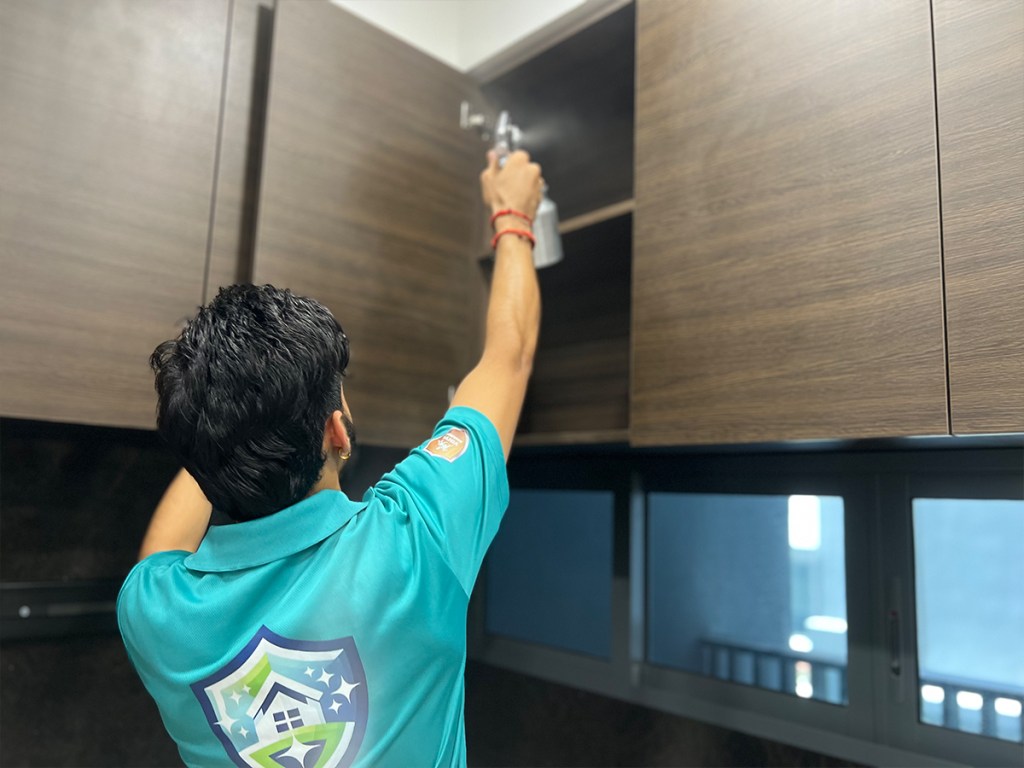
Home renovations are exciting milestones that transform living spaces into personalised havens. However, the process often introduces a hidden danger that many homeowners overlook: formaldehyde. This volatile organic compound (VOC) is commonly found in construction materials, furniture, and household products. While it serves as an effective binding agent, formaldehyde can significantly degrade indoor air quality and pose serious health risks if not addressed. Learn how to identify formaldehyde sources, understand its risks, and discover the most effective strategies for removal and prevention.
Formaldehyde is a colourless, strong-smelling gas widely used in manufacturing building materials and household products. Commonly found in resins that bond wood products, paints, adhesives, and textiles, formaldehyde is a prevalent contaminant in modern homes.
Health Risks of Formaldehyde Exposure
Find out what are the hidden dangers of formaldehyde in newly renovated home here!
Formaldehyde infiltrates homes through numerous everyday materials and products.
Primary Sources of Formaldehyde
Off-Gassing: A Silent Contributor
Off-gassing refers to the release of volatile compounds like formaldehyde from materials into the air. It is most intense in the first few months after installation or post renovation. However, off gassing can continually persist for years if not mitigated.

Detecting formaldehyde after home renovation can be challenging, as it is a colorless, odorless gas. Here are some signs of elevated formaldehyde levels in your newly renovated home:
Methods for Detection
Once you’ve confirmed the presence of formaldehyde, the next step is removal. The approach you choose will depend on the severity of contamination and your specific home environment.
1. Improve Ventilation
2. Use Air Purifiers
3. Seal Off Emissions
Apply low-VOC sealants to composite wood furniture and flooring to reduce off-gassing.
Use encapsulating primers on walls and ceilings.
4. Replace High-Emitting Materials
Gradually replace older or suspect materials with eco-friendly, low-emission alternatives certified by programmes like GREENGUARD or CARB.
5. Professional Remediation Services
Choose Low-Emission Products
Prioritize low-formaldehyde products, especially building materials like plywood and particleboard. Opt for solid wood furniture or metal alternatives. When purchasing pressed-wood furniture, seek certifications indicating low formaldehyde emissions.
Avoid products labelled with “urea-formaldehyde” adhesives.
Ventilation
Regularly open windows and doors to enhance air circulation, especially in newly renovated or furnished spaces. Consider using air purifiers equipped with activated carbon filters to reduce formaldehyde levels.
Maintain Proper Humidity Levels
Use dehumidifiers to keep indoor humidity below 50%, as high humidity can increase formaldehyde emissions.
Monitor Indoor Air Quality
Invest in air quality monitors that track formaldehyde and other VOC levels. Periodically test your indoor air quality, particularly after renovations or the introduction of new materials. Employ air quality monitors to track fluctuations in pollutant levels, providing peace of mind and early detection.
Educate Yourself
Stay informed about formaldehyde and other indoor pollutants to make conscious choices during renovations or purchases.

Most homeowners rely on basic methods like improved ventilation, consumer-grade air purifiers or DIY kits. However, these approaches merely scratch the surface of a deeply complex environmental challenge. Formaldehyde is not a simple contaminant that can be eliminated with a one-size-fits-all solution. Professional removal services like those offered by Home Guards are essential for:
Formaldehyde is a pervasive yet manageable threat in modern homes. By recognising its sources, understanding the risks, and implementing effective removal strategies, you can protect your family’s health and enhance indoor air quality. Whether through proactive choices like low-emission materials or professional remediation, tackling formaldehyde head-on ensures a safer and more comfortable living environment.
Addressing formaldehyde is not just about removal but creating a healthy living environment.
New homeowners in Singapore can significantly reduce potential risks with Home Guards.
Whatsapp us at wa.me/6588361340
Subscribe now to keep reading and get access to the full archive.