Hidden Dangers of Formaldehyde in
Newly Renovated Homes

Renovating your home is an exciting venture that promises a refreshed and modernised living space. However, beneath the fresh coats of paint, gleaming new furniture, and stylish flooring lies a potential health hazard that many homeowners overlook: formaldehyde. This chemical compound, commonly found in various construction and furnishing materials, can significantly impact your indoor air quality and health. Let’s learn what formaldehyde is, why it’s prevalent in newly renovated homes, and the dangers associated with prolonged exposure.

What Is Formaldehyde?

Formaldehyde is a volatile organic compound (VOC) that is colourless, strong-smelling, and widely used in industrial and consumer products. Its primary role is as a binding agent or preservative. Due to its effectiveness and affordability, formaldehyde is found in a variety of materials used during home renovations, such as:

  • Pressed wood products like particleboard, plywood, and medium-density fibreboard (MDF).
  • Furniture and cabinetry, particularly those with laminate finishes.
  • Flooring materials, including certain types of vinyl and laminate flooring.
  • Paints, adhesives, and varnishes.
  • Insulation materials like urea-formaldehyde foam.


While formaldehyde serves its purpose in enhancing durability and affordability, it is also a significant contributor to indoor air pollution in your newly renovated home.

Why Is Formaldehyde Common in
Newly Renovated Homes?

When a home undergoes renovation, numerous new materials and products are introduced, many of which contain formaldehyde. This results in what is commonly known as “off-gassing,” a process where VOCs, including formaldehyde, are released into the air over time.

Key reasons for high formaldehyde levels in newly renovated homes include:

  1. Increased Use of Synthetic Materials: Modern construction heavily relies on cost-effective synthetic materials that are often treated with formaldehyde-based resins.
  2. Tight Building Construction: Energy-efficient homes are designed to be airtight, limiting natural ventilation. While this reduces energy consumption, it also traps indoor air pollutants, including formaldehyde.
  3. Volume of New Products: A renovation introduces new furniture, carpets, and fixtures, all of which contribute to cumulative VOC emissions.
  4. Initial Concentration Peaks: New materials typically release the highest levels of formaldehyde in the first few months after installation, which is why freshly renovated spaces often have elevated concentrations.

Health Risks of Formaldehyde Exposure

Formaldehyde exposure poses significant health risks, ranging from mild irritation to severe health conditions, depending on the duration and intensity of exposure. Here are the most common effects:

  1. Short-Term Symptoms:
    • Irritation: Burning sensations in the eyes, nose, and throat are among the earliest signs of exposure.
    • Respiratory Issues: Coughing, wheezing, and shortness of breath are common, particularly in individuals with pre-existing respiratory conditions like asthma.
    • Skin Irritation: Direct contact with formaldehyde-releasing materials may cause dermatitis or allergic reactions.
  2. Long-Term Effects:
    • Cancer Risk: The International Agency for Research on Cancer (IARC) classifies formaldehyde as a human carcinogen. Prolonged exposure has been linked to nasopharyngeal cancer and leukaemia.
    • Chronic Respiratory Problems: Long-term exposure can exacerbate asthma and cause chronic bronchitis or other respiratory ailments.
    • Neurological Symptoms: Headaches, fatigue, and difficulty concentrating are associated with continuous low-level exposure.
  3. Vulnerable Groups:
    • Children: Younger individuals are more susceptible due to their developing respiratory systems.
    • Elderly: Reduced immunity and pre-existing health conditions make older adults more vulnerable.
    • Pets: Household pets can also suffer from respiratory and skin issues caused by high formaldehyde levels.

Ways to Detect Formaldehyde in Your Home

Home Guards, formaldehyde level reader
Home Guards uses professional formaldehyde reader for accurate detection.

Since formaldehyde is invisible and odourless at low concentrations, it can be challenging to detect without professional testing. However, here are some indicators and methods you can use:

  1. Physical Symptoms: If you or your family experience unexplained respiratory irritation or frequent headaches, formaldehyde could be a culprit.
  2. DIY Test Kits: Affordable formaldehyde test kits are available in hardware stores. While not as accurate as professional testing, they can provide a preliminary assessment.
  3. Professional Testing: Professionals use advanced air quality monitoring devices and reader to measure formaldehyde levels accurately. They can also identify specific sources and provide tailored solutions.

How to Reduce Formaldehyde Exposure

If your newly renovated home has elevated formaldehyde levels, don’t panic. There are several effective strategies to mitigate exposure:

  1. Improve Ventilation:
    • Use exhaust fans or open windows to allow fresh air to circulate.
    • Install air purifiers with activated carbon filters, which are effective at absorbing VOCs.
  2. Seal Off Emissions:
    • Apply low-VOC sealants to furniture and wood products to reduce off-gassing.
  3. Choose Low-Formaldehyde Products:
    • Opt for furniture and building materials certified as “low-emitting” or “formaldehyde-free.”
  4. Professional Formaldehyde Removal Services:
    • Engage experts like Home Guards who specialise in post-renovation air purification and formaldehyde elimination.

Why Professional Help Is Essential

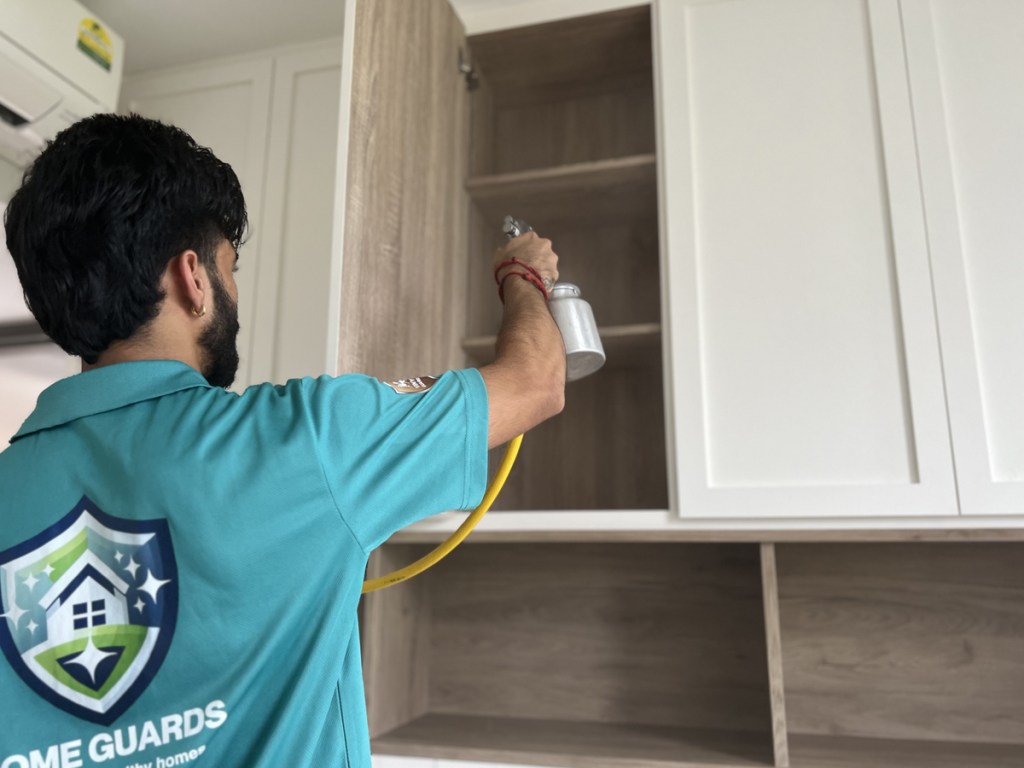
Home Guards, formaldehyde removal.

While DIY measures can provide temporary relief, professional services offer comprehensive solutions for long-term safety. Home Guards, for instance, uses equipment and techniques to remove formaldehyde effectively. Here’s why hiring professional is worth investing:

  • Precise Detection: Professionals use advanced tools and readers to pinpoint problem areas.
  • Guaranteed Results: Unlike DIY methods, professional treatments ensure thorough and continuous breakdown of formaldehyde over time.
  • Health Assurance: Experts understand the health risks and tailor their solutions to your home’s specific needs.

Check out how Home Guards can help you with post-renovation formaldehyde issues here!

Take The Necessary Step

The dangers of formaldehyde in newly renovated homes are real and significant. As a homeowner, understanding its sources, risks, and mitigation strategies is crucial to ensuring your family’s health and safety. From short-term discomfort to long-term health effects, formaldehyde exposure is not a risk worth taking lightly. By choosing formaldehyde-free materials, enhancing ventilation, and engaging professional removal services like Home Guards, you can enjoy the beauty of your renovated home without compromising on safety.

Protect your family’s health and ensure a truly safe living environment.

Whatsapp us at wa.me/6588361340 today for professional formaldehyde removal!

Discover more from Floor Deep Cleaning | Formaldehyde Removal Specialist - Vinyl Guards

Subscribe now to keep reading and get access to the full archive.

Continue reading