
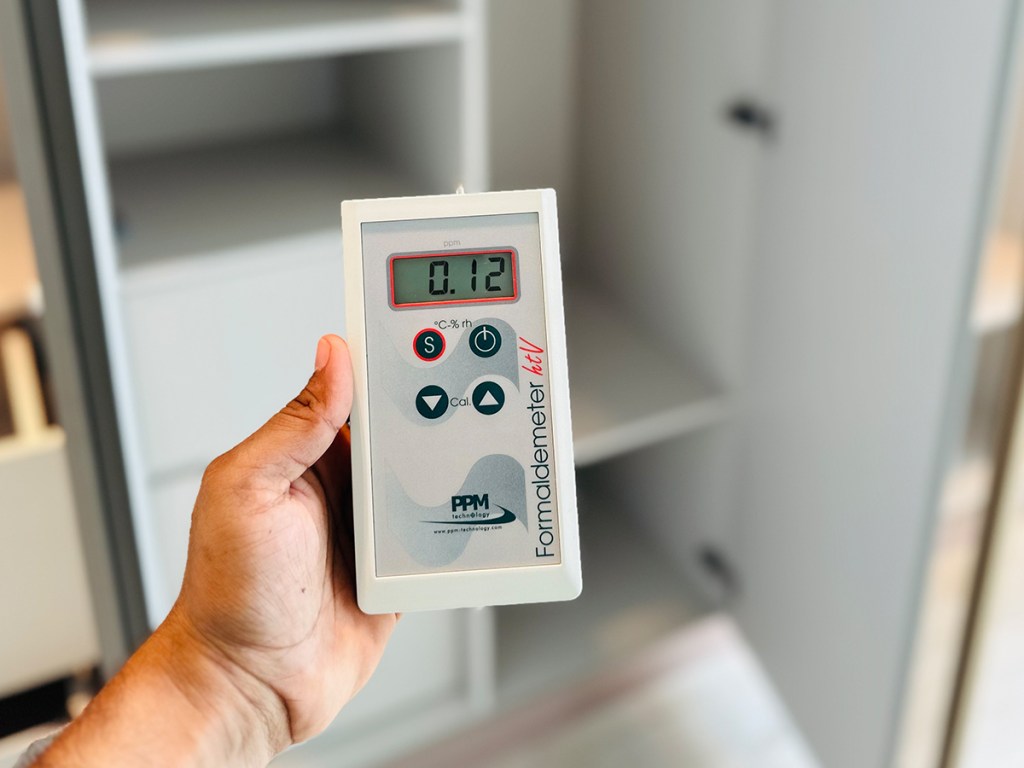
Formaldehyde is a common yet harmful indoor air pollutant found in newly renovated homes, furniture, and household products. Prolonged exposure to this volatile organic compound (VOC) can lead to serious health risks, including respiratory problems, eye irritation, and even long-term effects like cancer. Ensuring proper formaldehyde removal is crucial for maintaining a safe and healthy indoor environment.
In this guide, we’ll explore the different types of formaldehyde removal solutions, with a focus on non-photocatalyst and photocatalyst technologies. We’ll also highlight how they work, their benefits, and which solution is best suited for your home.
Formaldehyde is a colorless gas with a strong odor, commonly found in pressed wood products such as particleboard, MDF, and plywood. It is also present in adhesives, glues, and coatings used in furniture and flooring, as well as in paints, varnishes, cleaning products, and insulation materials.
Health Risks of Formaldehyde Exposure
Short-term exposure to formaldehyde can cause eye, nose, and throat irritation, along with headaches, dizziness, and nausea. It can also aggravate respiratory conditions such as asthma. Long-term exposure, on the other hand, has been linked to an increased risk of cancer, chronic respiratory diseases, and immune system weakening. Due to these risks, effective formaldehyde removal is necessary, especially in newly renovated homes.
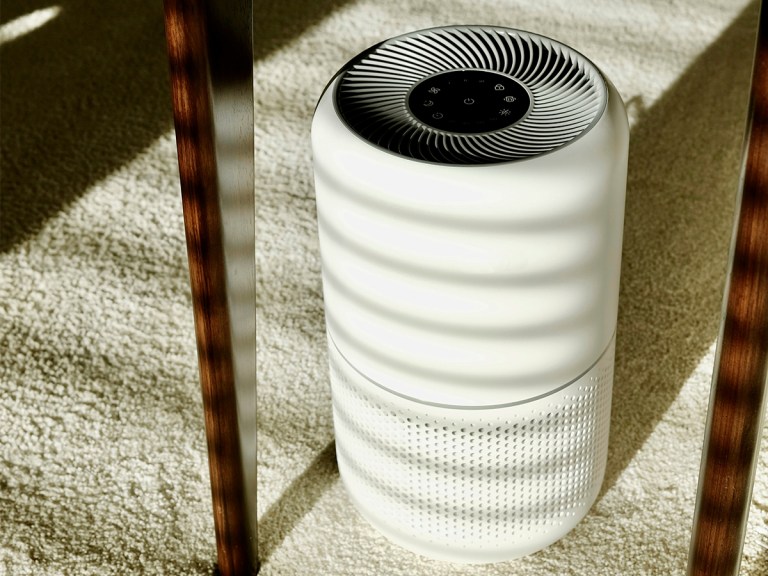
There are several methods to remove or neutralize formaldehyde, each with varying effectiveness. Let’s explore the most common options:
Non-photocatalyst formaldehyde removal solutions rely on advanced nanotechnology-based adsorption to capture formaldehyde molecules from the air. Once absorbed, the formaldehyde undergoes a chemical reaction that breaks it down into harmless substances like water and carbon dioxide. Additionally, non-photocatalyst solutions form a protective coating on surfaces, continuously neutralizing pollutants over time. These solutions work in any lighting condition, including dark or enclosed spaces, and provide a long-lasting effect. They are safe and non-toxic, making them ideal for homes with children and pets. Furthermore, they do not require external activation, ensuring round-the-clock protection.
Photocatalyst solutions use titanium dioxide (TiO₂) as a catalyst. When exposed to UV or visible light, the catalyst activates, generating reactive oxygen species (ROS) that break down formaldehyde molecules into carbon dioxide and water. These solutions are highly effective in well-lit areas and continuously purify the air when exposed to light. Additionally, they eliminate multiple VOCs beyond formaldehyde and have self-cleaning properties that help prevent surface contamination. They are best suited for homes with ample natural or artificial light, such as living rooms and kitchens.
Activated carbon filters work by allowing air to pass through the filter, which traps formaldehyde molecules. The captured pollutants remain in the filter, requiring periodic replacement. These filters are effective in capturing formaldehyde and other VOCs and are commonly found in air purifiers. However, they require frequent replacement and do not neutralize formaldehyde, only trapping it temporarily.
Sealing agents are specially designed coatings that can be applied to formaldehyde-emitting surfaces, such as furniture and flooring, to prevent off-gassing. This method significantly reduces emissions from these sources and provides long-lasting protection once applied properly. However, it works only on specific surfaces and does not address airborne formaldehyde. Additionally, periodic reapplication may be necessary over time.
Mechanical ventilation systems use air exchange mechanisms to remove indoor pollutants and replace them with fresh outdoor air. These systems continuously remove airborne formaldehyde and help reduce indoor humidity, preventing mold growth. However, they may not be cost-effective for small apartments and do not eliminate formaldehyde at the source.
Certain houseplants, such as snake plants, peace lilies, and spider plants, have been found to absorb formaldehyde through their leaves. This natural method of formaldehyde removal is affordable and adds aesthetic value to the home. However, its effectiveness is limited, making it best suited as a complementary method rather than a primary solution.
Choosing the right formaldehyde removal method depends on your home environment, lighting conditions, and desired level of maintenance. Non-photocatalyst solutions are perfect for enclosed spaces and provide continuous air purification, while photocatalyst solutions are highly effective in well-lit areas. Activated carbon filters offer a convenient way to capture pollutants but require regular maintenance. Sealing agents, mechanical ventilation, and indoor plants can also play a role in improving air quality, but they may not be sufficient as standalone solutions.
While activated carbon filters, ventilation systems, sealing agents, and plants can help reduce formaldehyde exposure, they often fall short in providing complete and lasting removal. Here’s why seeking professional help is highly recommended:

Ensuring a safe indoor environment starts with selecting the most effective formaldehyde removal method. Whether you opt for a non-photocatalyst or photocatalyst solution, both technologies offer advanced air purification techniques to help eliminate formaldehyde and other harmful VOCs.
At Home Guards, we use JP-ECO’s advanced formaldehyde removal technologies, providing both non-photocatalyst and photocatalyst solutions to ensure your home remains safe and free from pollutants. Contact us today to learn more about how we can help improve your indoor air quality.
Whatsapp Vinyl Guards now @6588361340
Visit https://www.jp-eco.com/ to learn about the Formaldehyde solutions we use!
Subscribe now to keep reading and get access to the full archive.