Does an Air Purifier Remove Formaldehyde?
The Truth and Best Options

Home with plant decoration

Formaldehyde. It’s a common indoor air pollutant, often found in new furniture, building materials, and even some household products. Concerned about the potential health effects, many people turn to air purifiers as a solution. But do air purifiers really remove formaldehyde? The answer is a bit more nuanced than a simple yes or no. This comprehensive guide will break down the truth about air purifiers and formaldehyde, exploring how they work, which types are most effective, and what other steps you can take to create a healthier home.

Understanding the Challenge: Formaldehyde's Stubborn Nature

Formaldehyde is a volatile organic compound (VOC), meaning it readily evaporates into the air. This gaseous form is what makes it so pervasive and potentially harmful. Unlike dust or pollen, which are particulate matter, formaldehyde requires a specific type of filtration to be captured and neutralized. This is where the distinction between different air purifier technologies becomes crucial.

Read more on the hidden dangers of Formaldehyde here

Does Air Purifiers Help with Formaldehyde (But Not All of Them)

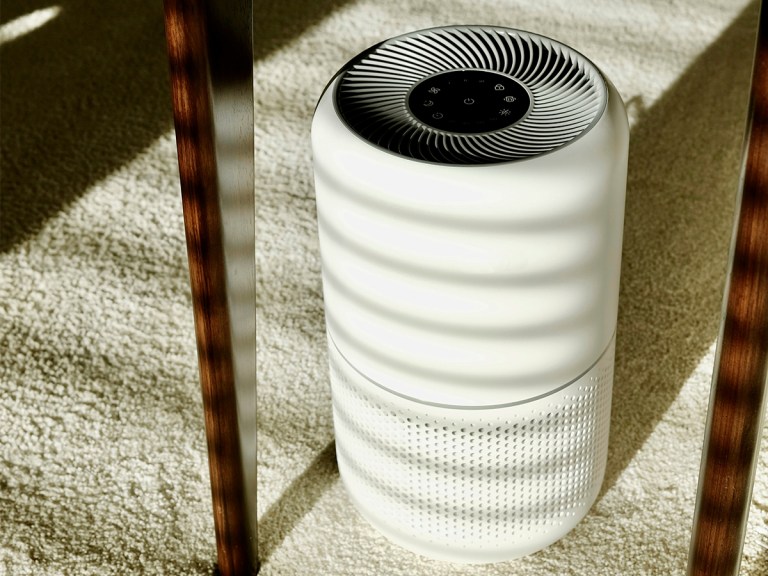
air purifier

Yes, air purifiers can help remove formaldehyde, but not all air purifiers are effective. Standard HEPA filters, while excellent at trapping dust, pollen, and allergens, do not capture formaldehyde because it is a gas. While not all air purifiers are created equal when it comes to formaldehyde removal, some can be highly effective. The key lies in the type of filter used:

  • HEPA Filters: Not the Primary Solution: High-Efficiency Particulate Air (HEPA) filters are excellent at capturing dust, pollen, pet dander, and other particulate matter. However, they are not designed to remove gaseous pollutants like formaldehyde. A HEPA filter alone will have minimal impact on formaldehyde levels.

  • Activated Carbon Filters: A Key Player: Activated carbon filters are porous materials that can adsorb (not absorb) gases and odors. They are effective at removing a range of VOCs, including formaldehyde. The larger the surface area of the activated carbon filter, the more formaldehyde it can capture. Look for air purifiers with substantial activated carbon filters specifically designed for VOC removal.

  • Specialized Filters for Formaldehyde: The Best Defense: Some air purifiers utilize specialized filters designed specifically for formaldehyde. These filters often combine activated carbon with other materials, like zeolite or potassium permanganate, to enhance formaldehyde removal. These specialized filters are often the most effective option.

  • PECO Technology: A Promising Innovation: Photocatalytic Oxidation (PCO) technology uses UV light and a catalyst to break down VOCs, including formaldehyde, into less harmful substances. While effective, some PCO air purifiers can produce small amounts of ozone, a lung irritant. It’s crucial to research and choose PCO air purifiers that are certified low-ozone.

Choosing the Right Air Purifier for Formaldehyde

When selecting an air purifier for formaldehyde removal, consider the following factors:

  • Filter Type: Prioritize air purifiers with substantial activated carbon filters or specialized formaldehyde filters. Check the filter specifications to ensure they are designed for VOC removal.

  • Filter Size and Quality: A larger filter with a higher quality activated carbon material will be more effective and last longer.

  • CADR (Clean Air Delivery Rate): CADR measures the air purifier’s ability to clean a specific room size. Choose a CADR rating that matches the size of the room where you plan to use the air purifier.

  • ACH (Air Changes per Hour): ACH indicates how many times per hour the air purifier can clean the air in a room. A higher ACH is generally better.

  • Ozone Emission: If considering a PCO air purifier, ensure it is certified low-ozone or ozone-free.

  • Maintenance: Consider the ease of filter replacement and the cost of replacement filters.

  • Noise Level: Air purifiers can generate noise, especially at higher settings. Choose a model with a noise level that is acceptable to you.

Beyond Air Purifiers: A Multi-Pronged Approach

houseplant: snake plant air purifying

While an air purifier can be a valuable tool in reducing formaldehyde levels, it’s most effective when combined with other strategies:

  • Ventilation: Regularly open windows and doors to ventilate your home and bring in fresh air. This is especially important after bringing in new furniture or completing renovations.

  • Source Reduction: Identify and minimize sources of formaldehyde. Choose low-VOC building materials, furniture, and household products. Consider off-gassing new furniture in a garage or well-ventilated area before bringing it into your home.

  • Temperature and Humidity Control: High temperatures and humidity can accelerate the release of formaldehyde. Maintain a moderate temperature and humidity level in your home.

  • Houseplants: Certain houseplants, such as spider plants, snake plants, and peace lilies, can help remove some formaldehyde from the air. However, their impact is limited, and they should not be relied upon as the sole solution.

Making an Informed Decision

Choosing the right air purifier for formaldehyde removal requires careful research and consideration. Don’t rely solely on marketing claims. Look for independent testing and certifications to verify the air purifier’s effectiveness. Read customer reviews and compare different models before making a purchase.

Professional Formaldehyde Removal Services

Home Guards, formaldehyde removal.

While air purifiers can be a helpful tool, addressing formaldehyde issues comprehensively often requires professional expertise. Our company specializes in formaldehyde testing and remediation services. We can assess the formaldehyde levels in your home, identify the sources, and develop a customized plan to reduce formaldehyde levels effectively. Our services include:

  • Formaldehyde Testing: We use state-of-the-art equipment to accurately measure formaldehyde levels in your home.
  • Source Identification: We conduct a thorough inspection to pinpoint the sources of formaldehyde.
  • Remediation Strategies: We develop customized remediation plans that may include ventilation improvements, source removal, and the use of specialized formaldehyde-absorbing materials.
  • Professional Consultation: We provide expert advice and guidance on how to minimize formaldehyde exposure in your home.

Taking Control of Your Indoor Air Quality

Formaldehyde is a serious concern, but it’s a concern you can address. By understanding how air purifiers work, choosing the right type of air purifier, and combining it with other strategies like ventilation and source reduction, you can create a healthier and safer home environment for you and your family.

If you’re concerned about formaldehyde levels in your home, don’t hesitate to contact us for professional testing and remediation services. We’re here to help you breathe easier.

Whatsapp Home Guards now @6588361340 !

Discover more from Floor Deep Cleaning | Formaldehyde Removal Specialist - Vinyl Guards

Subscribe now to keep reading and get access to the full archive.

Continue reading